Kimi K3 is available as a hosted model, but Moonshot has not published a dedicated repository-understanding result. The useful question is therefore not whether its million-token window can hold a codebase. It is whether K3 can recover architecture, trace dependencies, predict change impact, and complete a controlled multi-file refactor with evidence.
This guide defines a reproducible test for those capabilities. For launch specifications and product access, see the existing Kimi K3 guide; this article owns the evaluation protocol rather than repeating a model review.
Why Kimi K3 Codebase Claims Need Testing
Moonshot released hosted Kimi K3 access on July 17, 2026 through Kimi.com, Kimi Work, Kimi Code, and the Kimi API. The official API identifier is kimi-k3, while Kimi Code documents the shorter k3 identifier. Moonshot advertises up to a one-million-token context window, although the effective Kimi Code limit depends on the membership tier.
The launch post also says K3 can navigate massive repositories and reports results on DeepSWE, Program Bench, Terminal Bench 2.1, FrontierSWE, SWE Marathon, PostTrain Bench, MLS Bench, and the internal Kimi Code Bench 2.0. These results support a claim that K3 was designed for long-horizon coding. They do not isolate repository understanding.
End-to-end coding scores mix several variables:
- the model and reasoning setting;
- the agent harness and search policy;
- repository tools and test feedback;
- time, token, and permission limits;
- task quality and grader behavior.
Even the official release illustrates why setup details matter. Its benchmark table reports 67.5 for DeepSWE, while a footnote cites 67.3 for K3 with the mini-SWE-agent harness on the official leaderboard. Neither number is necessarily wrong; they describe different recorded conditions. A private evaluation must be at least as precise about its own conditions.
Large context creates capacity, not a verified mental model. A prompt may contain every file yet still produce a wrong dependency path, overlook runtime configuration, or infer architectural intent from stale documentation. The 1M context versus knowledge graph guide explains this distinction between storage, selection, and explicit relationships.
What Would Count as Repository Understanding
Repository understanding is the ability to produce correct, traceable conclusions about a specific revision of a codebase. A useful evaluation should test four separate capabilities instead of awarding one impressionistic score.
| Capability | Required output | Verification target |
|---|---|---|
| Architecture recovery | module boundaries, entry points, responsibilities, and external interfaces | expert-maintained architecture map |
| Dependency tracing | direct and transitive call, data, schema, configuration, and build paths | static/runtime evidence plus reviewed source |
| Change-impact analysis | affected code, tests, consumers, migrations, and deployment concerns | hidden impact set prepared before the run |
| Multi-file refactoring | minimal patch that preserves contracts and behavior | hidden tests, contract checks, and human review |
Evidence quality is part of the capability. Each conclusion should cite a file and symbol, relevant configuration, or executed command. A plausible diagram without traceable support is not a correct architecture answer.
Calibration matters too. The model should separate observed facts from inferences and unknowns. Rewarding “not enough evidence” when a cross-repository consumer is inaccessible is safer than forcing complete-looking answers. False confidence should reduce the score even when part of the final patch works.
A Reproducible Test Plan
Start by freezing the environment. Record the repository commit, submodules, dependency lockfiles, build image, database fixtures, and tool versions. Prepare the answer key and hidden checks before K3 sees the tasks so the rubric cannot drift toward its output.
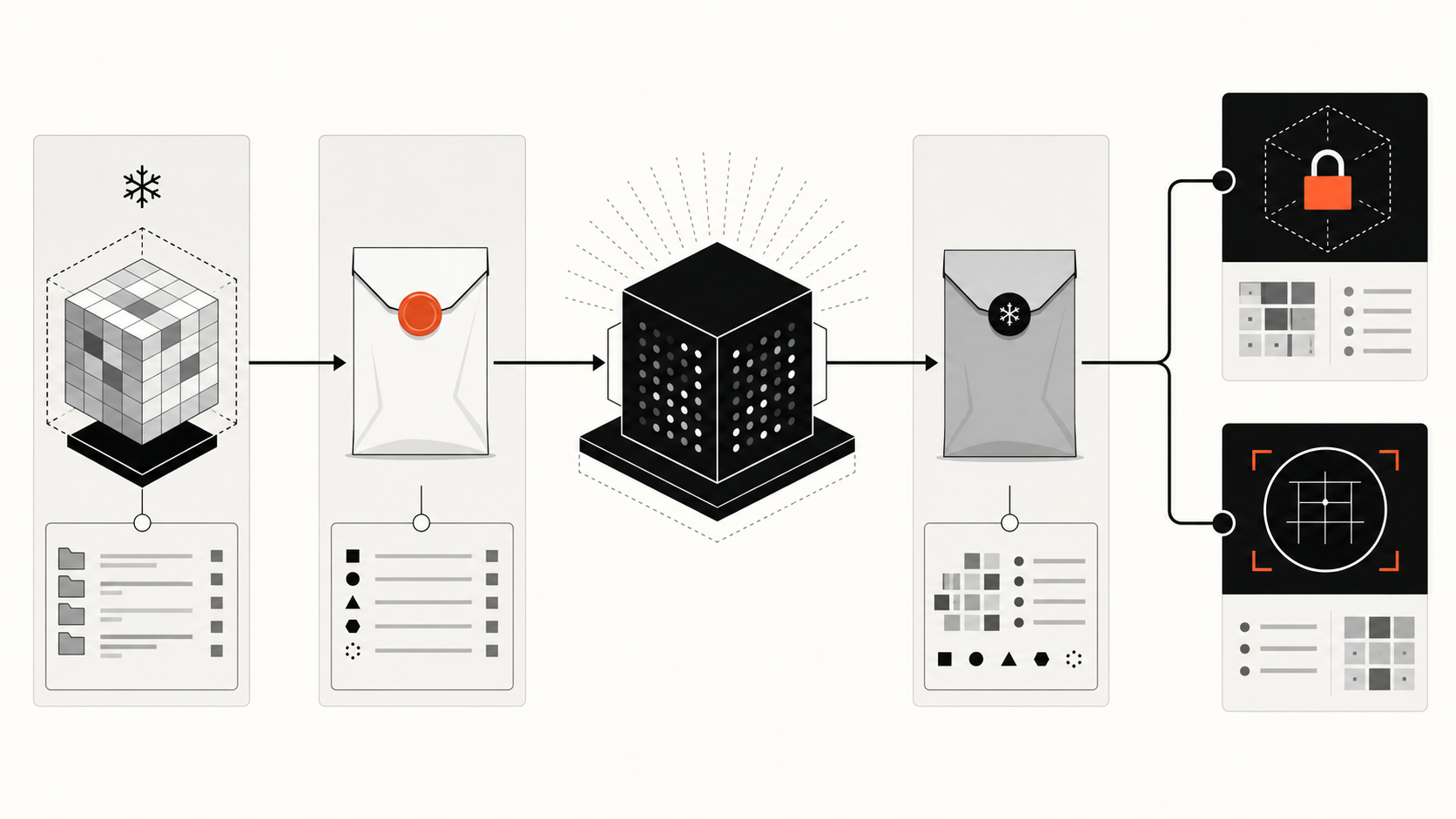
Use the following protocol:
- Select one localized task and at least three cross-module tasks from recent, accepted engineering work. Remove secrets and avoid public tasks that may have entered training data.
- Start every run from a fresh session and clean worktree. Use
kimi-k3for API trials or document that the Kimi Code surface usedk3. - Lock the harness, system instructions, reasoning effort, tools, network policy, permissions, context budget, timeout, and maximum turns.
- Give every compared model the same repository snapshot and tool access. Do not improve one model’s prompt after seeing its first failure.
- Require an evidence packet before editing: architecture summary, dependency paths, expected impact, uncertainties, and planned verification.
- Run at least three independent trials per task. Preserve prompts, tool trajectories, patches, tests, latency, token use, and errors.
- Score against the precommitted answer key, then conduct a blinded human review for unsupported claims, unnecessary edits, and missed risks.
A practical 100-point rubric can assign 20 points each to architecture, dependency tracing, and impact analysis; 30 to refactor correctness; and 10 to evidence quality and calibration. Publish the weights before testing. A failed hidden contract test should cap the refactor score regardless of how polished the explanation appears.
If the objective is model comparison, keep the harness constant. If the objective is product comparison, test each model in its native coding agent but label the result as an end-to-end system outcome. Mixing those questions produces a ranking that cannot explain its cause.
Tasks to Include in the Evaluation
The task set should expose different failure modes. Four task families provide a useful minimum.
Recover the Architecture
Ask K3 to identify entry points, module responsibilities, public interfaces, persistence boundaries, and one important runtime flow. Require citations for every node and edge. Compare the result with a map reviewed by maintainers, scoring missing and invented relationships separately.
Trace a Dependency Path
Choose a request, event, schema, or shared type that crosses several modules. Ask for the path from producer to consumer, including registration, configuration, generated code, tests, and conditional branches. Seed at least one misleading same-name symbol to detect search-only answers.
Predict Change Impact
Describe a narrow contract change without revealing the known impact set. K3 should list direct edits, transitive consumers, migrations, tests, rollout order, and inaccessible evidence. Score recall and precision; listing every package should not earn full credit.
Execute a Multi-File Refactor
Use a change that is small enough to review but broad enough to cross a real boundary. Require a plan, implementation, focused tests, full regression checks, and a final dependency audit. Hidden tests should cover behavior, compatibility, and an unrelated path that must remain unchanged.
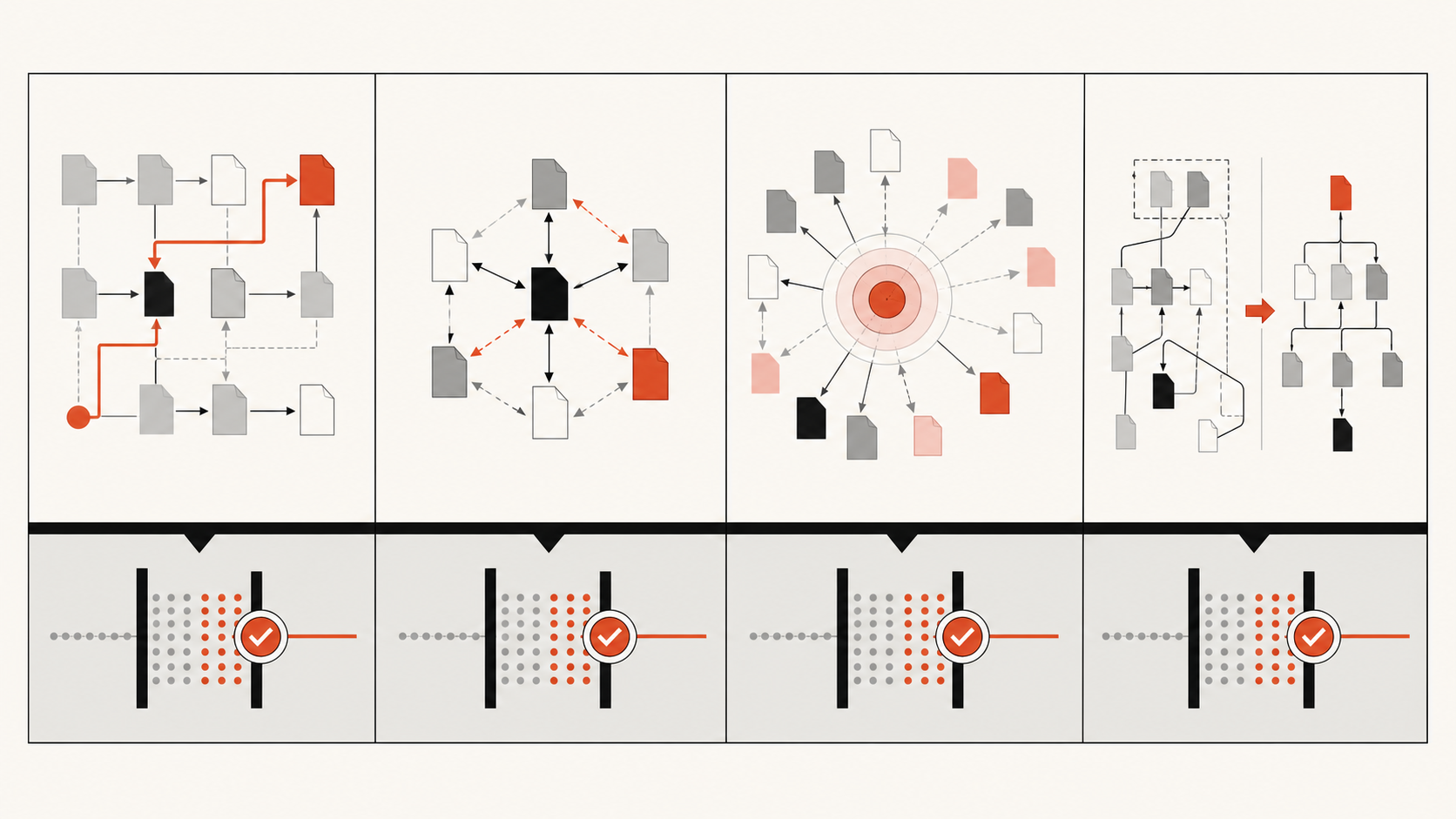
For every family, record navigation efficiency, evidence accuracy, unnecessary file reads, unsupported assumptions, changed-file count, test selection, and human correction time. Pass rate alone can hide a costly patch that reviewers must largely rewrite.
Limits and Evidence Standards
This protocol measures K3 in one controlled environment, not all repositories. Results can change with language, repository size, test quality, architecture, harness updates, and model service revisions. Publish the repository characteristics and repeat the test after material model or agent changes.
Moonshot’s reported benchmarks remain vendor evidence. Kimi Code Bench 2.0 is internal, and other coding benchmarks evaluate task completion under named harnesses rather than pure repository comprehension. Cite them as orientation, not validation of a private result.
The release state also needs precise wording. Hosted K3 is available, so tests do not need to wait for a future model launch. However, Moonshot said full weights would arrive by July 27, and no official K3 weight repository or license was visible in its canonical GitHub or Hugging Face listings on July 17. Self-hosting, weight-level research, and license conclusions should wait for those artifacts.
Finally, avoid presenting a one-million-token run as a fair baseline unless the client actually exposes that capacity. Record the effective limit, retrieved files, cache behavior, and any compaction. For structured navigation, a current code index or Graphify code knowledge graph can help select evidence, but generated relationships still require source and test verification.
FAQ
What evidence should teams publish?
Publish the repository revision or a reproducible anonymized fixture, task definitions, hidden-test construction method, answer-key ownership, model and harness identifiers, settings, tool policy, trial count, aggregate scores, failure categories, and representative redacted trajectories. State which results are vendor-reported, internally measured, or independently reproduced.
How should prompts be versioned?
Store the system prompt, task prompt, repository instructions, tool descriptions, rubric, and environment manifest together under a version or content hash. Record model ID, surface, reasoning effort, date, permissions, network access, context limit, timeout, and turns. A wording change or added hint creates a new test version.
When should tests wait for release?
Do not wait to test hosted Kimi K3; it is already available. Wait when the research question specifically requires downloadable weights, a verified license, self-hosted inference, or the forthcoming technical report. Recheck official artifacts before publishing conclusions about those properties.
Conclusion
Kimi K3’s launch evidence justifies a serious codebase evaluation, not an automatic repository-understanding verdict. Its context window and coding benchmarks indicate capacity for demanding agent workflows, while the absence of a dedicated repository test leaves the central claim open.
Freeze the environment, precommit the rubric, test architecture, dependencies, impact, and refactoring separately, and retain evidence from repeated runs. Treat K3 as repository-capable only when it produces traceable conclusions and correct changes on the codebase that matters to your team.
Leave a Reply